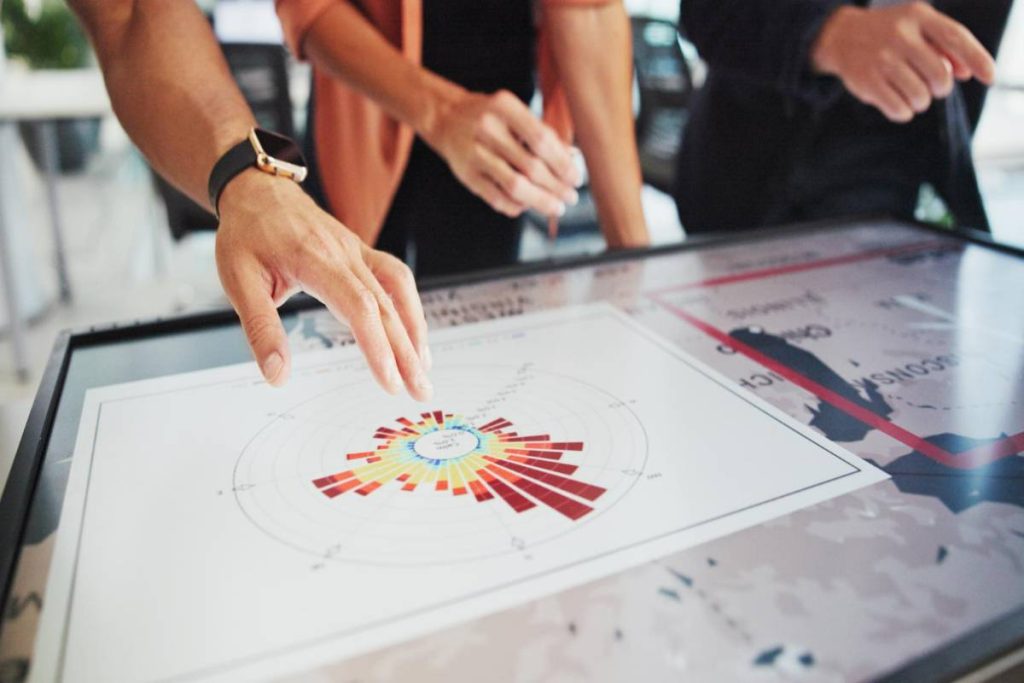
The Convergence of Strategy and Aesthetics
In the contemporary business landscape of 2026, the line between a company’s business goals and its visual expression has completely dissolved. Elevating a brand requires more than just a surface-level coat of paint; it demands a deep integration of foundational values into every visual element. Modern design principles dictate that every curve, color, and typeface must serve a specific strategic purpose. When a brand successfully aligns its internal mission with its external appearance, it creates a unified identity that commands respect and ensures long-term market relevance. This synergy is the primary driver of perceived value in an era where consumers are increasingly discerning about where they spend their time and money.
Human-Centric Design as a Strategic Asset
The shift toward empathy-driven design has transformed how brands interact with their target demographics. By prioritizing the user experience above all else, companies can solve real-world problems while simultaneously building a recognizable brand voice. This approach involves a meticulous analysis of consumer behavior to ensure that every touchpoint feels intuitive and supportive. Strategic branding is no longer about shouting the loudest; it is about providing the most seamless and meaningful interaction. When design focuses on human needs, it naturally fosters a sense of belonging and reliability, making the brand an indispensable part of the customer’s daily life.
Digital Minimalism and Cognitive Clarity
As information density continues to increase, the strategic application of minimalist principles has become a hallmark of sophisticated branding. Modern design focuses on stripping away the non-essential to highlight a brand’s most important messages. This clarity is not just an aesthetic choice but a psychological strategy intended to reduce cognitive load and improve decision-making. By creating clean, breathable layouts, brands can guide users through complex digital ecosystems with ease. A clutter-free brand environment signals confidence and transparency, qualities that are essential for establishing authority in a competitive and fast-paced global economy.
Adaptive Branding in a Multi-Platform World
Modern strategy requires an identity that is fluid enough to exist across a variety of traditional and emerging media. Responsive design systems allow a brand to maintain its core character whether it is displayed on a massive physical billboard or a tiny wearable device. This adaptability is achieved through modular design components that can be rearranged and scaled without losing visual impact. A brand that can move effortlessly between different environments demonstrates a high level of technological maturity and foresight. This flexibility ensures that the brand remains consistent and recognizable, regardless of the technological shifts that may occur in the coming years.
The Role of Narrative and Visual Storytelling
Great brands are built on stories, and modern design serves as the primary medium for these narratives. Strategic design principles use sequenced visuals to lead the audience through a brand’s history, achievements, and future goals. By using consistent imagery and metaphorical design elements, a company can communicate complex ideas without relying solely on text. This evocative storytelling creates a deeper emotional resonance, making the brand more memorable and shareable. When customers can see themselves in a brand’s story, they are far more likely to become loyal advocates who contribute to the brand’s overall growth and community presence.
Conclusion
To summarize, elevating a brand strategy through modern design is an essential practice for any organization aiming for success in 2026. By focusing on the integration of values, human-centric experiences, and minimalist clarity, businesses can build a resilient and influential identity. The success of a brand is measured by its ability to adapt and maintain visual integrity across an ever-expanding digital landscape. Ultimately, when design is treated as a core strategic function rather than a secondary concern, it creates a powerful competitive advantage that drives both customer satisfaction and sustainable business growth in a complex world.
Frequently Asked Questions
Why is design considered a strategic tool?
Design translates abstract business goals into visual cues that build trust and guide consumer behavior.
What is human-centric design?
It is a design philosophy that focuses on solving the specific needs and pain points of the end user.
How does minimalism help a brand?
Minimalism reduces distractions, allowing the audience to focus on the brand’s primary value proposition.
What is a responsive design system?
A framework that allows brand elements to adapt their layout and size to fit any screen or medium.
What is the benefit of visual storytelling?
It creates an emotional connection and makes brand messages easier to understand and remember.
How do brand values influence design?
Values dictate the tone, color, and style of the design to ensure the brand’s personality is accurately represented.
What is cognitive load in branding?
The amount of mental effort required to process information; lower load leads to better user experiences.
Is brand consistency still important?
Yes, it is vital for building recognition and trust across different marketing channels and platforms.
How can design improve customer loyalty?
By creating positive, intuitive, and aesthetically pleasing experiences that users want to return to.
What is modular design?
A system where design elements are created as independent pieces that can be combined in various ways.